From Manila's Dumpsites to Clean Energy
Tackling the Philippines' 14.6 million tons of municipal waste a year, open dumpsites, organic-heavy household waste and sachet plastics clogging rivers like the Pasig by converting carbon-containing waste into valuable GreenSynGas™, electricity, and mineral fertilizer through modular, net carbon-neutral technology.
The Urgency
The Philippines' Municipal Waste Challenges
The Philippines generates roughly 14.6 million tons of municipal solid waste each year — about 60,760 tons daily — driven largely by biodegradable kitchen and household waste and widespread single-use plastics.
Volume, Organics & Infrastructure
- •Volume & Generation: The Philippines ranks 27th globally in waste output. Urban areas like the National Capital Region (NCR) and CALABARZON generate over 32% of total daily waste.
- •Organic Dominance: Biodegradable kitchen, household and food waste account for more than half of all municipal refuse.
- •Infrastructure Challenges: Under the Ecological Solid Waste Management Act of 2000 (RA 9003), progress has been held back by slow local compliance, persistent open dumpsites and limited Materials Recovery Facilities (MRFs).
Plastics, Waterways & Incineration
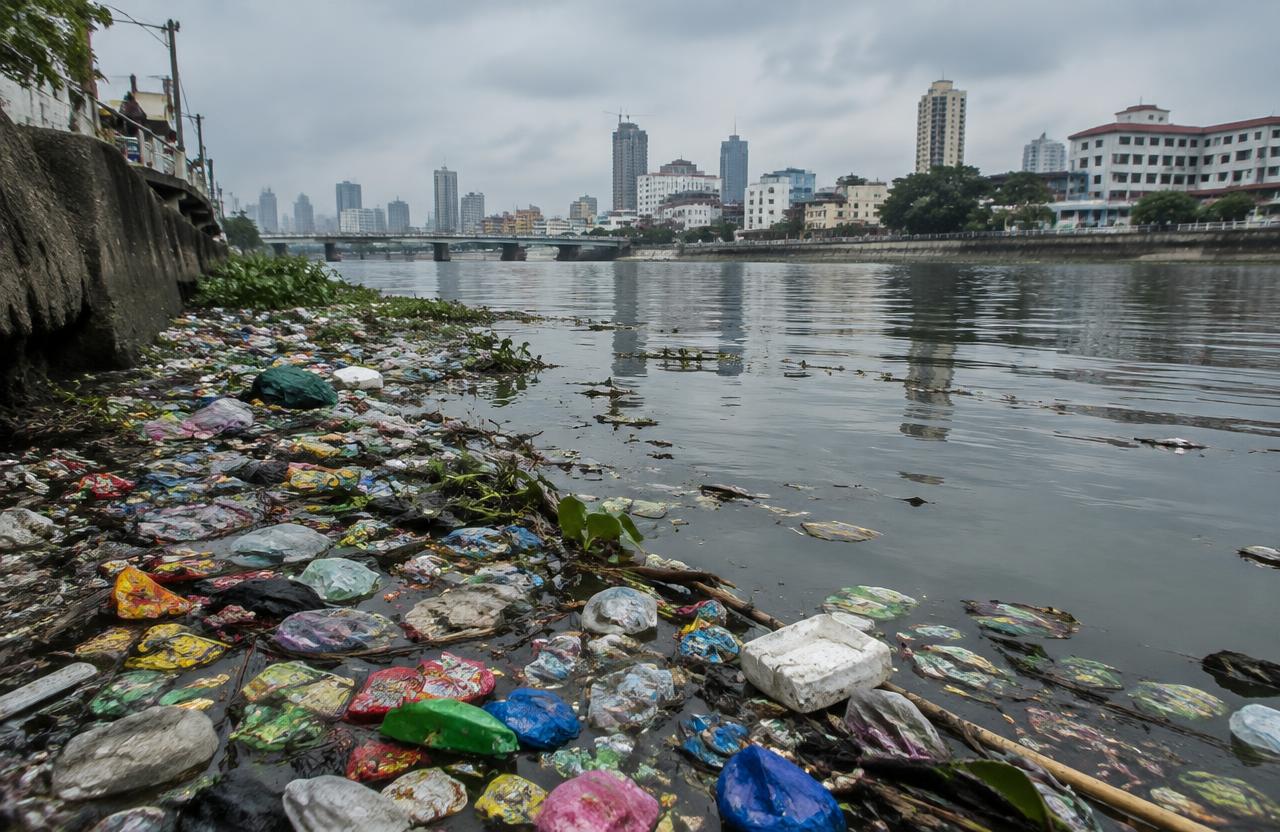
- •Plastics & Waterways: A significant share of uncollected plastic — much of it single-use sachets — enters rivers and oceans, with urban waterways like the Pasig River facing severe plastic accumulation.
- •The Waste-to-Energy Debate: Government is pushing thermal incineration projects, but environmental groups raise concerns over toxic emissions and the mismatch between sachet-heavy, wet local waste and incinerator fuel requirements.
- •Agricultural Residues: Farming yields large volumes of crop residues and food-processing by-products — a resource researchers, industry and UNDP Philippines increasingly treat as circular feedstock rather than a disposal burden.
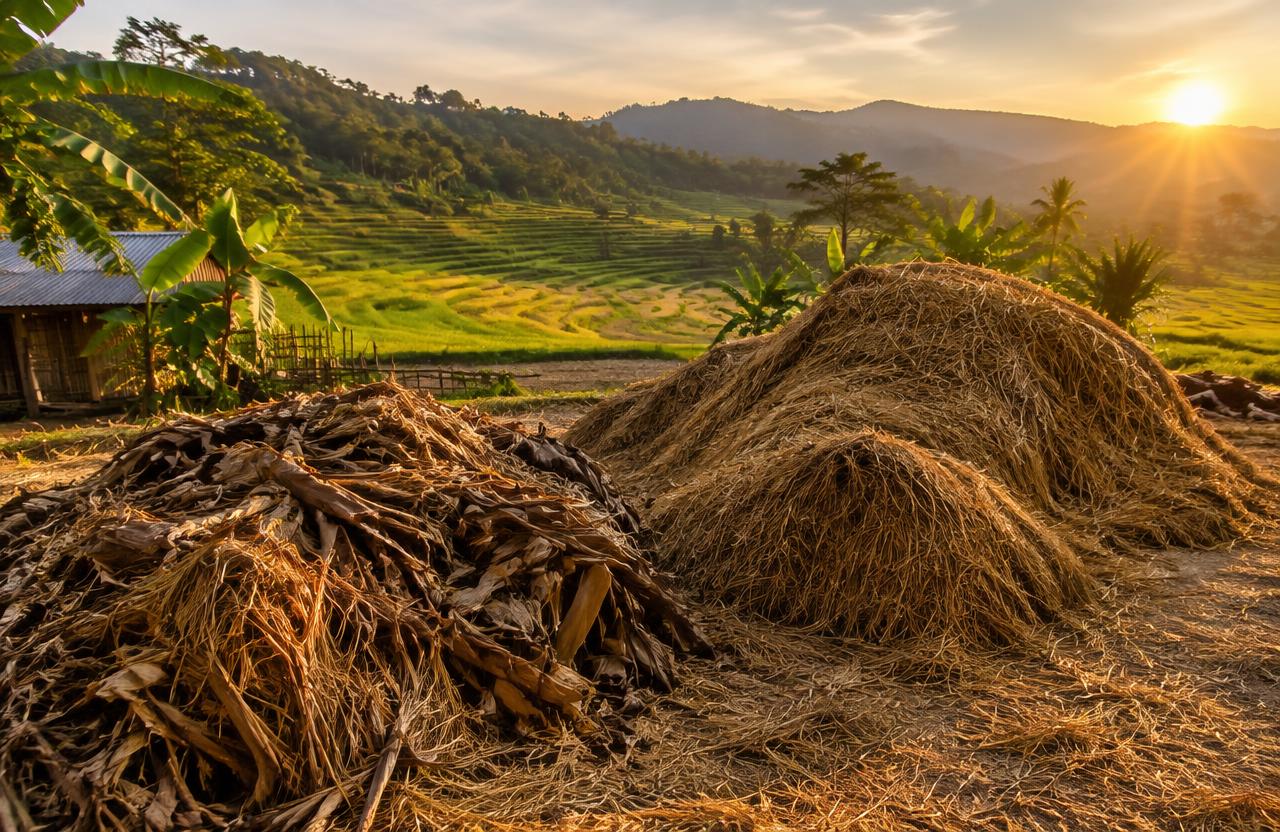
Philippines Feedstock & Yields
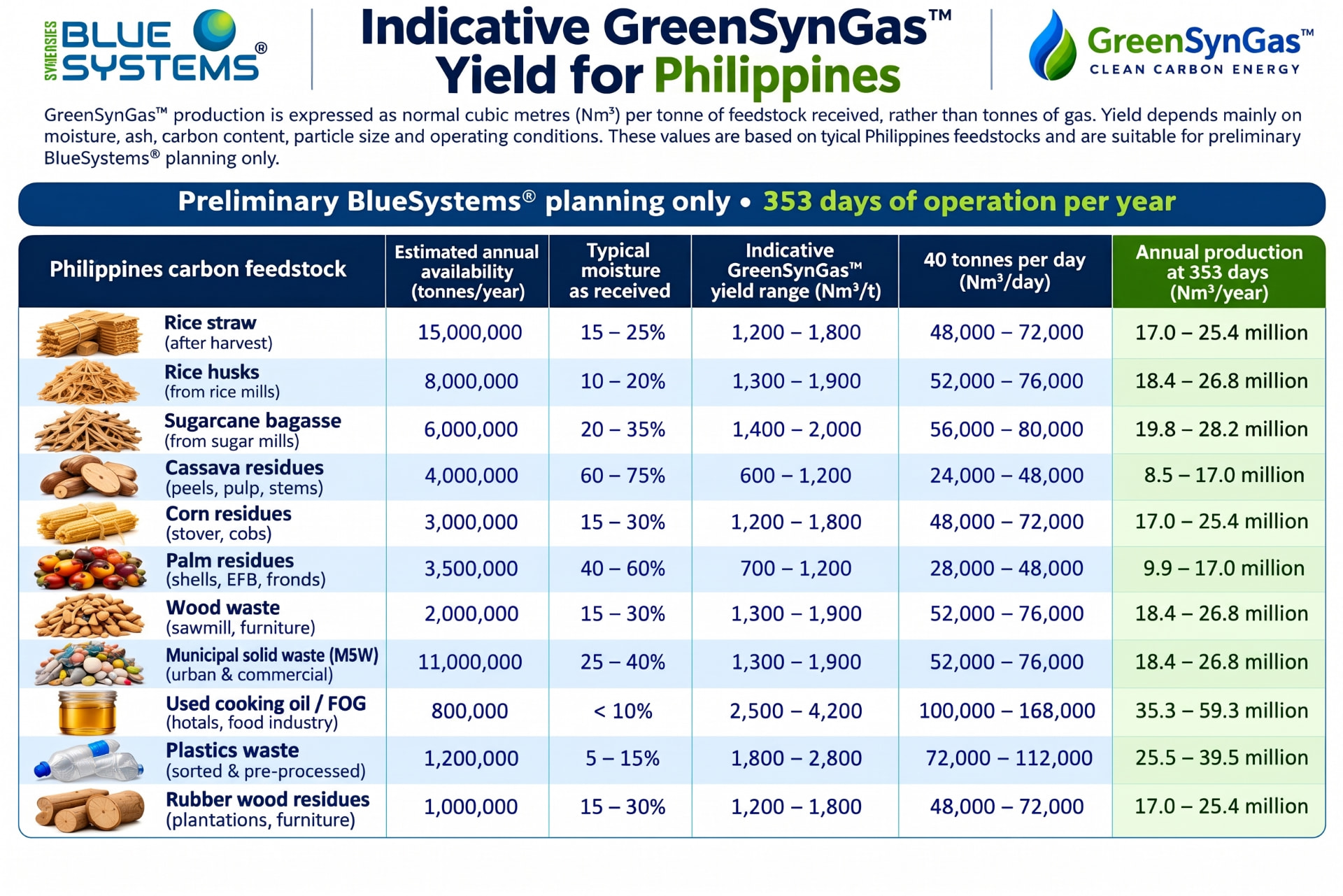
Indicative GreenSynGas™ yields for Philippine feedstocks — preliminary BlueSystems® planning only
Solution & Process
From Waste to Green Fuel & Value Commodities
Patented, innovative modular technology transforming Philippine municipal waste, agricultural residues, food waste and plastics into a valuable circular resource.
Feedstock
Comprehensive Input
Plastics, food and organic waste, mixed municipal solid waste, and industrial residues — anything carbonaceous.
Prep
Separation & Shredding
Metals, glass, and inert materials are removed. The remaining organic and plastic fractions are shredded and prepped.
Reforming
Steam Reforming
Hydrocarbons react with steam at 700-1000°C using flameless burners, producing clean syngas without toxic emissions.
Products
GreenSynGas™ & Fertilizer
Outputs GreenSynGas™, hydrogen, mineral fertilizer, and distilled water. Part of the output self-sustains the reformer unit.
Engineered for Any Scale in the Philippines
Recycling plants can be deployed directly where waste is generated starting with modular units of 40–50 tons per day. Alternatively, they can be deployed in clusters for high-volume collection areas, offering complete deployment flexibility.
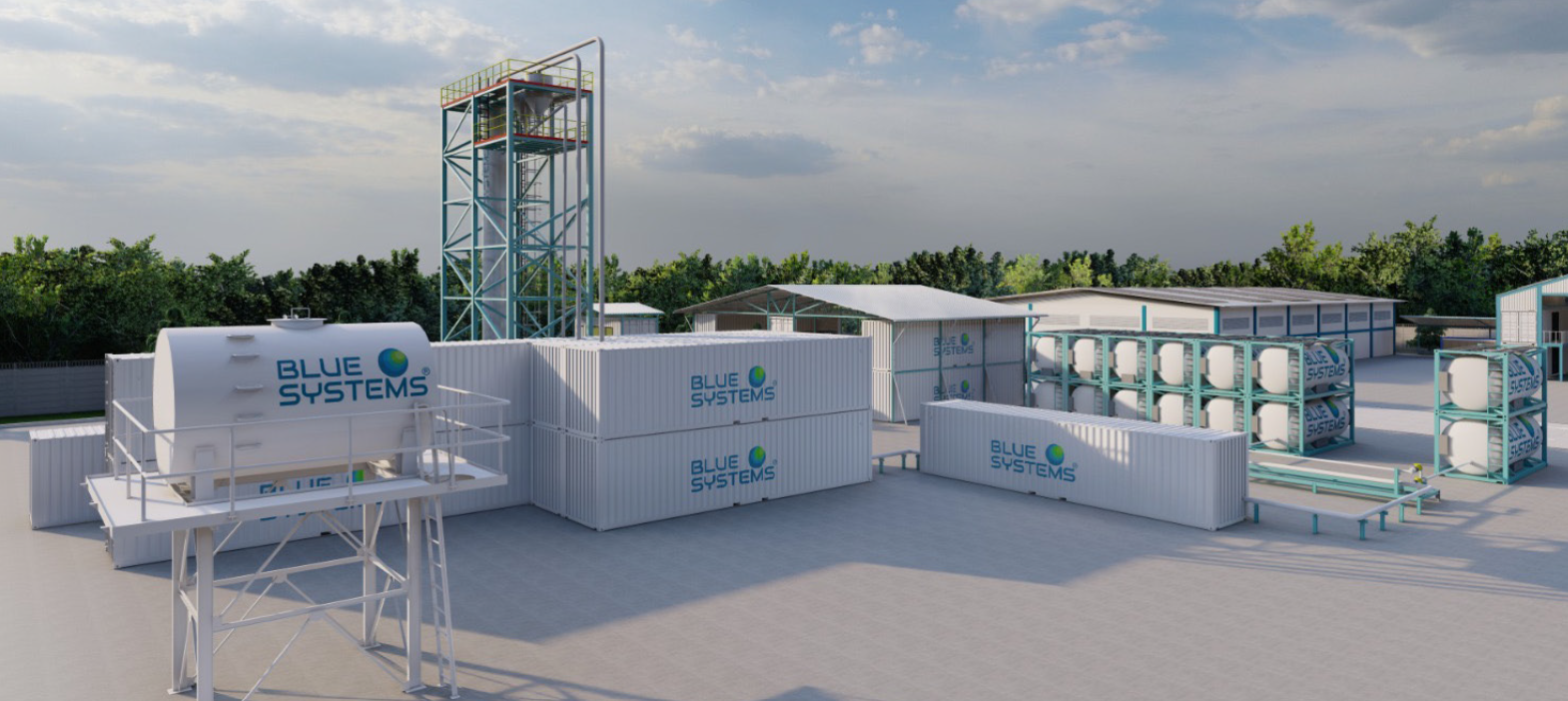
BLUE SYSTEMS 50 Tonne Per Day Modules
Space Requirement
A 50-tonne per day processing plant requires approximately 1 acre (roughly the size of a football pitch).
Plant Location
While proximity to either the waste feedstock source or the power user is advantageous, it is not strictly essential.
Gas Offtake & Blending
The GreenSynGas™ we produce can be injected into conventional gas pipelines, blended at 10–50% with natural gas, and utilized within existing infrastructure for power generation.
Energy Conversion Support
If your project requires assistance with energy conversion, we can fully support you with that as well.
The Blue Systems Cure
Steam Reforming: Transforming Waste to Wealth
Instead of open burning or landfilling, Blue Systems deploys proprietary high-temperature steam reforming modules directly at agricultural clusters and city waste hubs. Farming residues and municipal waste become clean, premium GreenSynGas™, with a potential energy value of US$400 per tonne.
Zero-Emission Conversion
Advanced thermochemical decomposition without harmful dioxin or particulate emissions.
Decentralized Deployment
Modular units installed near plantations and city waste hubs to eliminate costly and polluting long-distance hauling.
Immediate Monetization
Syngas is piped directly into power generation, hydrogen production, or green chemical synthesis.
Municipal & Agricultural Waste
Process Flow Calculator
- Potential GreenSynGas™ Value
- US$4,000
- Estimated CO₂ Prevented
- 18.5 Tonnes
Illustrative estimates based on US$400 per processed tonne of dry municipal and agricultural waste and 1.85 tonnes of avoided CO₂ per tonne. Actual yields, energy value, and emissions reductions depend on feedstock and project conditions; these are not guaranteed returns.
Potential Down Stream Products
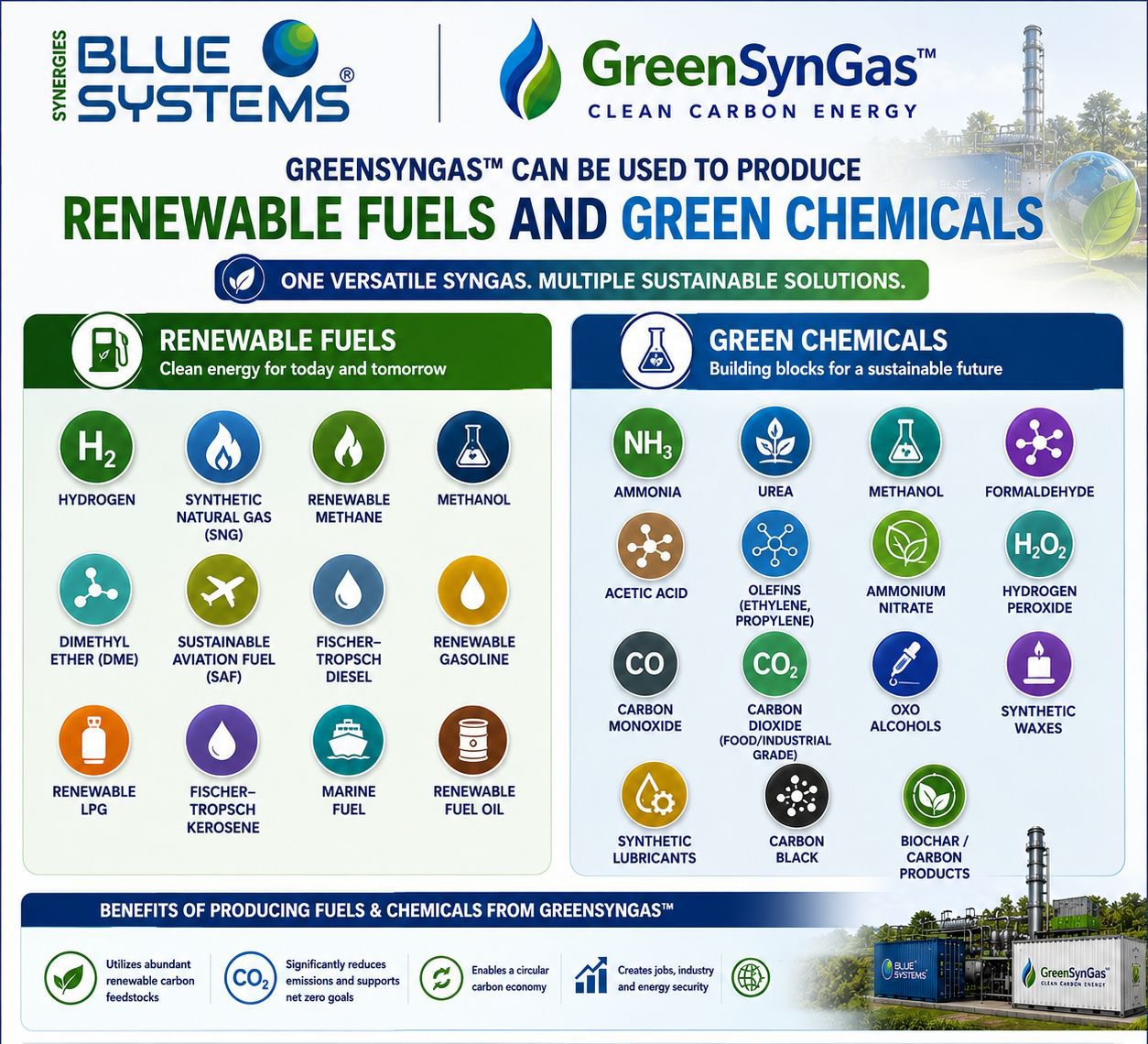
Renewable fuels and green chemicals producible from GreenSynGas™ — preliminary BlueSystems® planning only
Direct Syngas Utilization & Blending Innovations
Redefining Energy Recovery: Eliminating Hydrogen Separation
Over the past two years, significant advancements in steam reforming and high-efficiency combustion engineering have fundamentally transformed how hydrogen-rich GreenSynGas™ is utilized for industrial and commercial power generation. Historically, utilizing syngas for high-demand power applications required an energy-intensive and capital-heavy purification process to isolate pure hydrogen (H₂) prior to combustion or fuel cell input.
Recent engineering innovations and operational deployments have successfully negated the absolute necessity of separating H₂ from the raw syngas stream (typically maintaining a stable ~65% high-value gas matrix). By optimizing modern generation appliances to accept unseparated synthetic gas directly, Blue Systems has streamlined project capital expenditures while drastically reducing operational complexity.
65%
Syngas Matrix Composition utilized directly without expensive separation phases.
10–50%
Standard blending threshold into existing Natural Gas infrastructure across Europe.
The European Benchmark: Proven Integration in the Netherlands
Direct blending of synthetic gas streams into conventional natural gas grids and appliances is no longer theoretical — it is standard operating procedure in progressive energy markets such as the Netherlands. Current energy generation appliances, including high-capacity reciprocating engines and industrial Gas Generator Sets (Gensets), are routinely operating on blended fuel configurations containing 10% to 50% syngas mixed directly with standard natural gas.
Key Operational Advantages for Data Center Gensets
Reduced Natural Resource Drain: Displacing 10–50% of fossil natural gas with renewable GreenSynGas™ directly lowers municipal carbon footprints and conserves dwindling natural gas reserves.
Seamless Retrofitting: Existing commercial Gensets and turbine infrastructure deployed for data center backup and primary power require minimal to no mechanical modifications to ingest the blended fuel.
Resilient Baseload Power: Guarantees uninterrupted, high-reliability green power output essential for mission-critical facilities like data centers.
Ready-Made Power Generation: Readily available second-hand Gensets on the market can generate 2.5 to 3MW+ of power for every 50 tonnes of waste recycled—keeping capital costs low and deployment fast.
Infrastructure & Storage Simplicity
No Cryogenic or Pressure-Swing Separation Plants: Eliminating the multi-million-dollar separation infrastructure drastically cuts upfront capital expenditures (CAPEX) for municipal and industrial project developers across Southeast Asia, the Middle East, and Europe.
Easier Storage and Piping: Pure hydrogen demands specialized metallurgy, high-pressure composite tanks, and rigorous mitigation against embrittlement and leakage. In contrast, unseparated syngas is significantly easier to store, manage, and transport through standard industrial piping networks.
Accelerated Project Deployment: With simplified balance-of-plant requirements, project lead times from municipal waste feedstock intake to operational power generation are shortened by months.
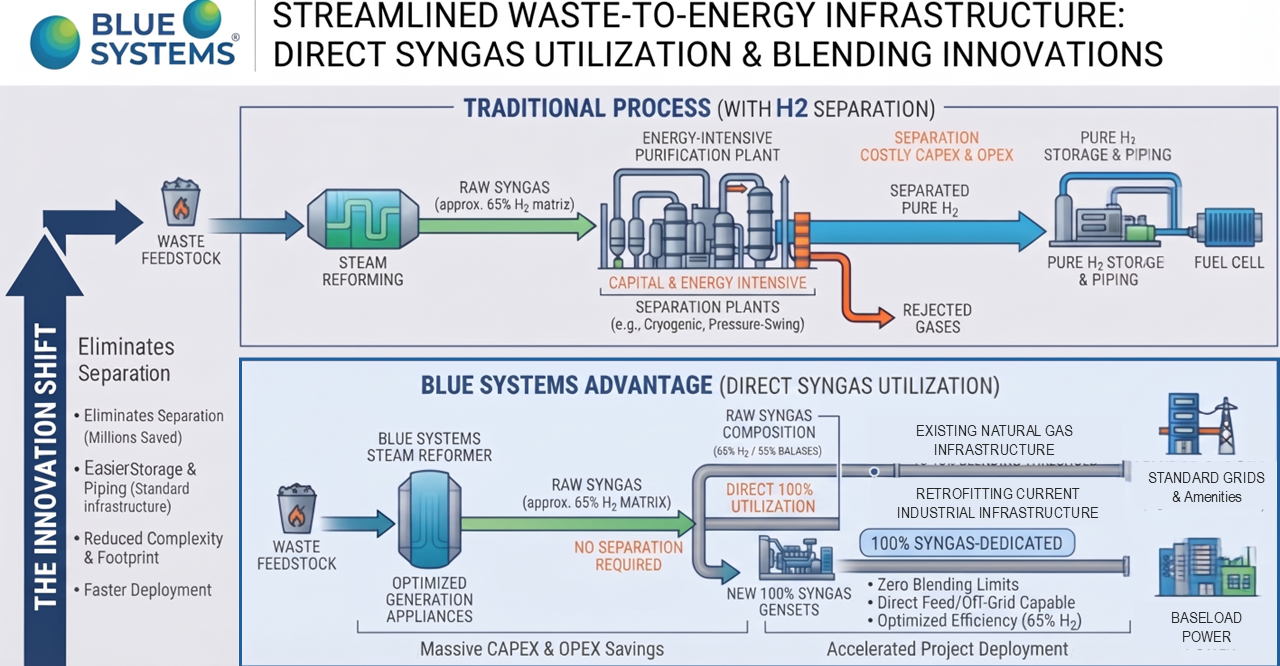
Traditional process with hydrogen separation compared with Blue Systems® direct syngas utilization — preliminary BlueSystems® planning only
Job Creation
Socio-Economic Impact & Community Creation
Upstream Feedstock Collection
Thousands of Jobs
Mobilizing an army of thousands of local workers paid to collect, organize, and sort municipal waste alongside agricultural residues.
Transforms zero-value municipal garbage and agricultural debris into a unified, income-generating supply chain.
Plant Operations & Engineering
High-Value Technical Jobs
Engaging an abundance of highly skilled local engineers, technicians, and operational staff to run the high-temperature steam reforming plant processing both municipal and agricultural streams.
Fosters local technical expertise and high-paying careers in advanced green energy infrastructure.
Downstream Distribution Networks & Local Energy Security
New Regional Industry
Building out entirely new regional ethanol and methane distribution networks and transport logistics derived from mixed municipal and agricultural feedstock.
Directing the produced ethanol and methane toward local and domestic consumption, directly negating dependence on current expensive imported or traditional energy alternatives.
Creates massive downstream economic potential, generating thousands of additional well-needed jobs in clean energy distribution, safety compliance, and commercial management.
Built for Performance, Flexibility & Impact
Intelligent Operating System
Containerized control room with remote monitoring and internet-enabled diagnostics.
Faster Deployment
Prefabricated modular units ensure rapid on-site assembly and shorter project timelines.
Zero-Flame, Low Emission
Advanced flameless burners eliminate toxic incineration emissions and landfill methane.
Cuts Landfill Methane
Diverts the ~40% organic fraction from landfill before it can rot and release methane.
Local Value Creation
Turns waste disposal costs into revenue streams via green energy, distilled water, and mineral fertilizer.
Certified Quality Standards
Engineered to strict ISO standards with independent third-party inspection (DNV/TÜV).
Get in Touch
Ready to Transform the Philippines' Waste Challenge?
Partner with us to deploy modular waste-to-energy and hydrogen solutions across LGUs, agricultural clusters and economic zones throughout the Philippines — a clean alternative to open dumping and incineration.